
Our specialty · Solar energy
Solar energy systems for homes and businesses in Nairobi, sized to your actual load
Rising electricity costs and power outages make solar one of the most practical upgrades a Kenyan home or business can make. We survey your site, work out what you really use, then design, supply, install and commission the system.
Quick answer
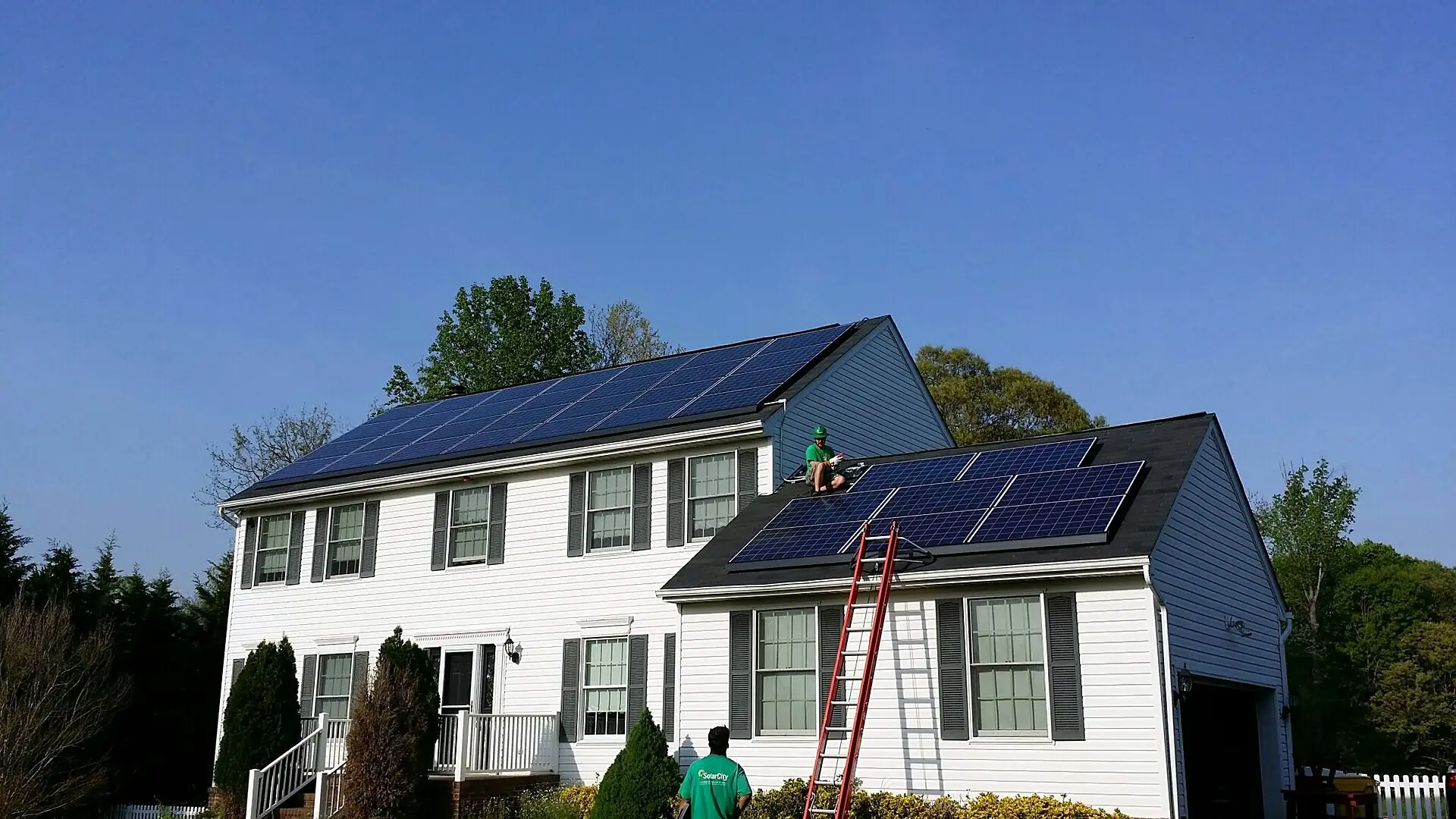
Ultrateq Systems designs, supplies and installs solar power systems in Nairobi, Kenya. Grid-tied systems reduce your Kenya Power bill, hybrid systems add battery backup for outages, and off-grid systems power sites with no grid connection. Every system is sized from your measured appliance load and available roof space, starting with a site survey and a written quotation.
Who this is for
- Homeowners tired of high electricity bills and frequent outages
- Shops, offices, schools and clinics that need dependable power during business hours
- Estates and institutions that need solar security and street lighting
- Farms, lodges and rural sites with no grid or an unreliable one
- Factories and workshops looking to reduce daytime energy costs
What's included
- Site survey, roof and shading assessment
- Appliance load audit and system sizing
- System design with a single-line diagram
- Supply of panels, inverter, batteries and mounting
- Installation, wiring, earthing and surge protection
- Commissioning, testing and customer handover
- Grid-connection guidance where applicable
- Maintenance and battery health checks (optional)
Why choose this service
Lower electricity bills
Every unit your panels generate and you use is a unit you do not buy from the grid. Savings depend on how much of your usage happens in daylight.
Power through outages
A hybrid system with batteries keeps lights, fridge, router and other essential circuits running when the grid is down.
Predictable energy costs
Once installed, sunlight is free. A solar system fixes a large part of your energy cost for 20 years or more of panel life.
Scales as you grow
We design systems so panels, batteries and inverter capacity can be extended later without starting again.
Types and options
Grid-tied solar
Panels feed your building through a grid-tie inverter and cut what you draw from Kenya Power during the day. No batteries, so the lowest cost per kW, but it shuts down when the grid fails.
Best for: Sites with reliable power and high daytime use, such as offices and shops.
Hybrid solar (grid + battery)
Panels, batteries and the grid work together through a hybrid inverter. Solar first, battery for evenings and outages, grid as backup. The most common choice for Kenyan homes.
Best for: Homes and businesses that want lower bills and protection from outages.
Off-grid solar
A standalone system with panels, batteries and inverter, often with a generator as backup. Sized to carry the whole load day and night.
Best for: Farms, lodges, rural homes and sites without a grid connection.
| Profile | Daily use | Solar array | Battery (hybrid) |
|---|---|---|---|
| Small home or kiosk: lights, TV, fridge, router | 3–5 kWh | 1–1.5 kWp | 2.5–5 kWh |
| 3-bedroom home: plus washing machine, iron, small pump | 8–12 kWh | 2–3 kWp | 5–10 kWh |
| Large home: plus geyser, borehole pump or air conditioning | 15–30 kWh | 4–8 kWp | 10–20 kWh |
| Small business or office | 20–60 kWh | 5–15 kWp | Optional |
Indicative only. Calculated with about 4 kWh per kWp per day, a conservative figure for Nairobi. Your real design depends on your appliances, roof and goals. Use our solar calculator for a first estimate.
Also under solar
Solar street lights and security lighting
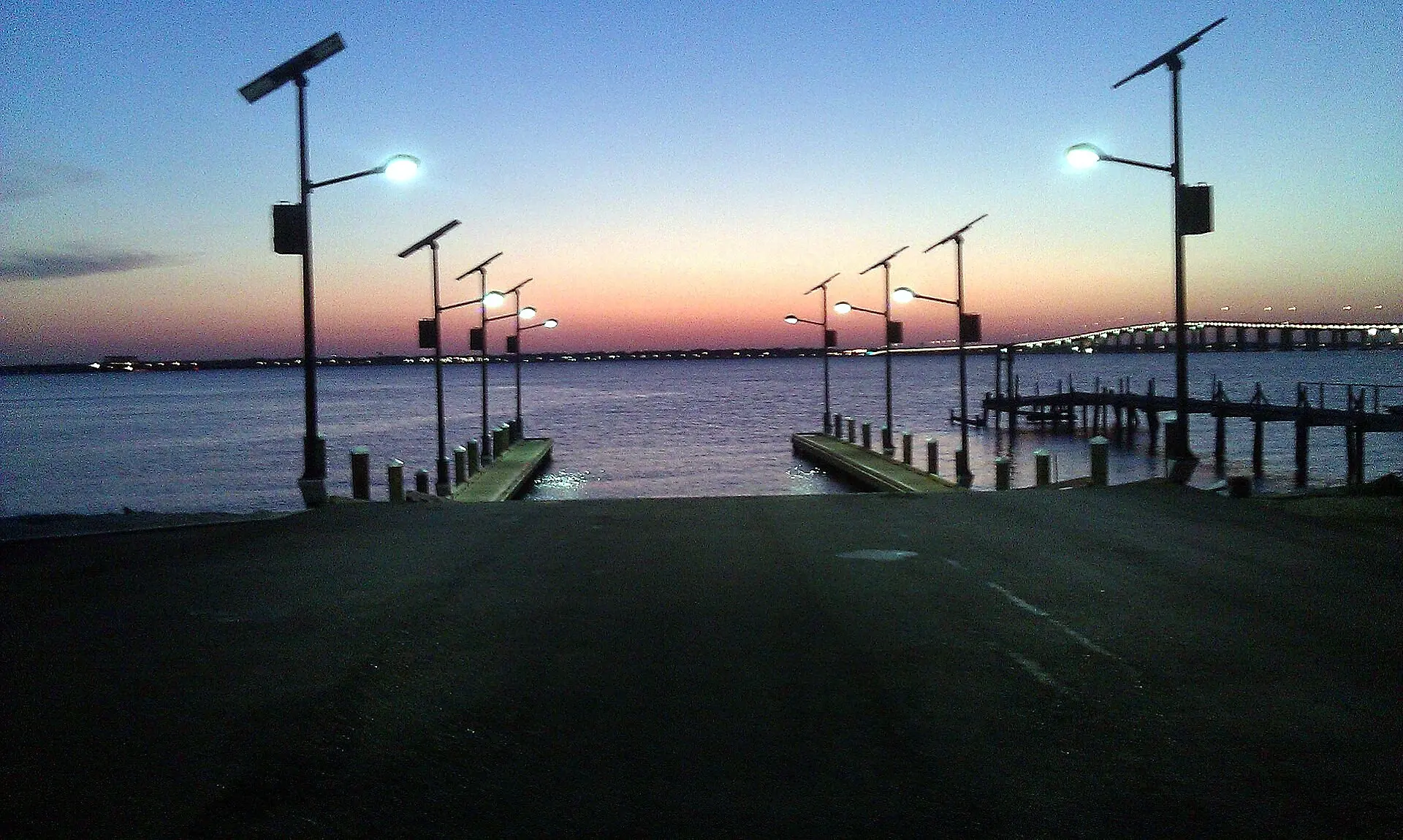
Solar street lights suit estates, access roads, parking areas, schools and trading centres where trenching cable to the grid is expensive or impractical. Each pole carries its own panel, battery and LED lamp, switching on automatically at dusk.
We size lamp output, battery autonomy and pole height to the road or compound, then supply and install the poles, foundations and fittings.
- All-in-one and split (separate panel) designs
- Dusk-to-dawn and motion-activated modes
- Lithium batteries sized for several nights of autonomy
- Poles and concrete foundations sized to your site
- Maintenance contracts for estates and institutions
Also under solar
Solar water heating
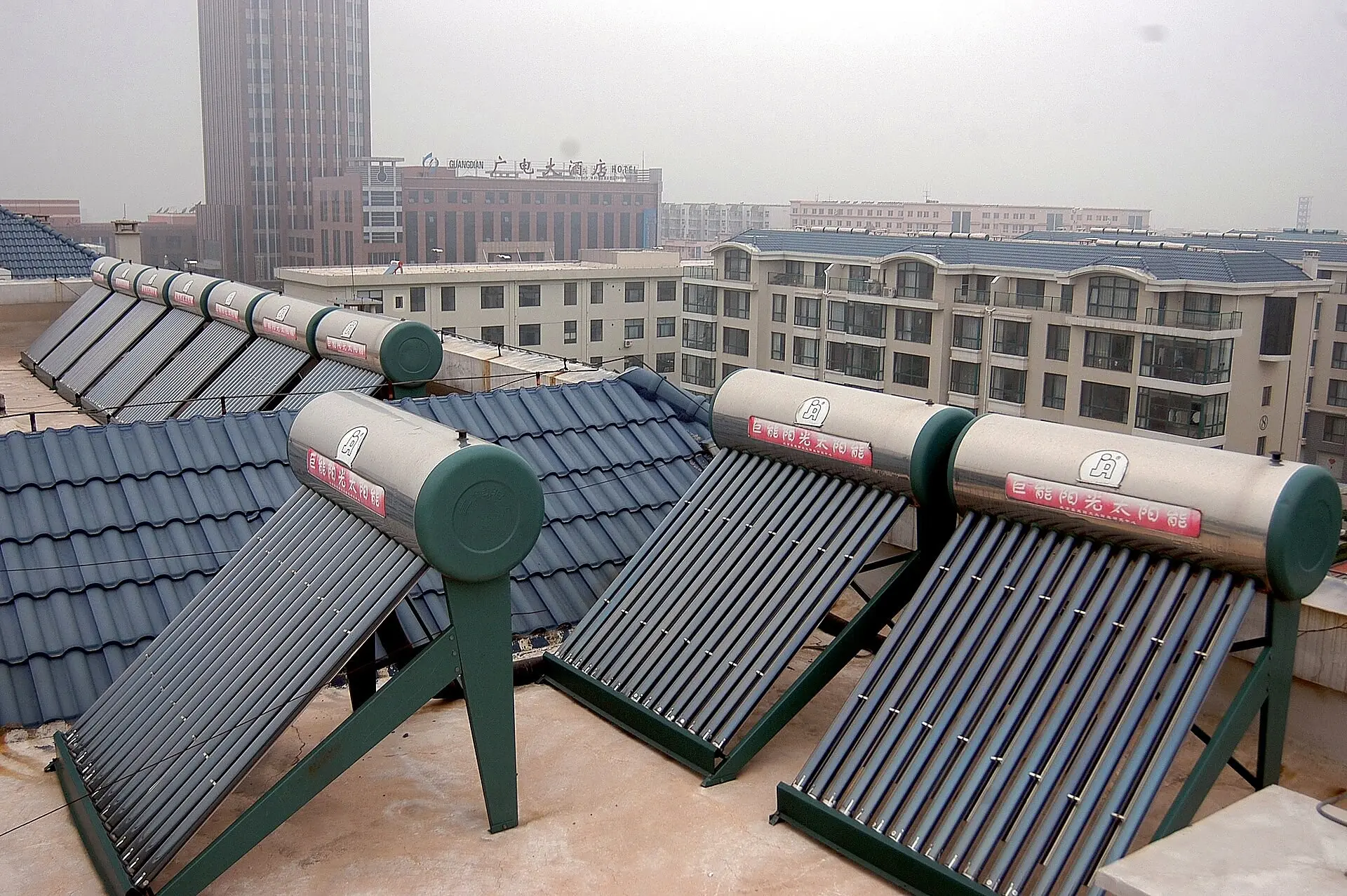
Heating water is one of the largest uses of electricity in many homes, hotels, lodges and hostels. A solar water heater uses roof collectors to heat water directly, usually with an electric element as backup for cloudy days.
- Systems sized to household size or guest rooms
- Pressurised and low-pressure tank options
- Backup element for cloudy periods
- Pairs with a wider solar installation
Know the rules
Grid-tied solar and Kenya Power approval
If your system can export power to the Kenya Power network, it must be approved and metered correctly. Reporting on the Energy (Net-Metering) Regulations, 2024 describes domestic limits and a net-metering agreement with a bidirectional meter, and unapproved export may be charged at the base tariff.
We design your system with these rules in mind, for example by configuring zero-export where export is not approved. Read our guide, <a href="/blog/grid-tied-solar-kenya-power-net-metering/">Grid-tied solar and net metering in Kenya</a>, and confirm current requirements with Kenya Power for your site.
How we work
- 1
Site survey and load audit
We list the appliances you run and when, check your roof, shading and distribution board, and review your electricity bills.
- 2
Design and quotation
You receive a system design and an itemised written quotation showing panels, inverter, batteries, mounting and labour.
- 3
Supply
Equipment is ordered or supplied from stock, with datasheets and warranty terms provided.
- 4
Installation
Mounting, DC and AC wiring, earthing, surge protection and protective devices are installed to a neat, labelled standard.
- 5
Commissioning and handover
We test the system under load, set up monitoring, walk you through operation and hand over documentation.
- 6
Aftercare
Optional maintenance visits cover panel cleaning, connection checks and battery health.
Solar in pictures
What affects the price
- System type: grid-tied is cheapest, hybrid and off-grid cost more because of batteries
- Battery chemistry and capacity: lithium iron phosphate costs more up front than lead-acid but lasts far longer
- Number and wattage of solar panels
- Inverter size and brand, and whether it is hybrid
- Roof type, mounting structure and cable runs
- Whether you need earthing, surge protection or distribution board upgrades
Published Kenyan guides put an installed 5 kW residential system anywhere from about KES 350,000 to over KES 1,000,000, mainly depending on whether it is grid-tied or battery-backed. That is a wide range, which is why we give an itemised written quote for your site instead of a single headline price.
Ask for a quoteFrequently asked questions
How much does a solar system cost in Kenya?
It depends on size and type. Grid-tied systems cost least; hybrid and off-grid systems cost more because of batteries and larger inverters. Published Kenyan guides give a very wide range for a 5 kW home system, so request an itemised quote based on your own load. See our guide, <a href="/blog/how-much-does-solar-cost-in-kenya/">How much does solar cost in Kenya?</a>
Is solar worth it in Kenya?
For most homes and businesses with high or daytime electricity use, yes. Payback depends on your tariff, how much solar power you use directly and the installed cost. Our guide <a href="/blog/is-solar-worth-it-in-kenya/">Is solar worth it in Kenya?</a> shows the calculation step by step.
Do I need batteries?
Only if you want power during outages or at night. A grid-tied system without batteries lowers your bill but switches off when the grid fails. A hybrid system adds batteries so essential circuits keep running.
Can I sell excess solar power to Kenya Power?
Only through an approved connection. Net-metering rules apply, with an agreement and a bidirectional meter, and limits on system size. Unapproved export is not allowed. Confirm current rules with Kenya Power before designing for export.
Does solar work on cloudy days and in the rainy season?
Yes, at reduced output. Panels still generate in diffuse light, but much less than in full sun. We size systems conservatively, and hybrid systems use the grid or a generator as backup in long overcast spells.
How long does installation take?
A typical home system is installed in one to three days once equipment is on site. Larger commercial systems take longer. The survey, design and equipment lead time come before that.
What maintenance does a solar system need?
Panels need occasional cleaning, particularly in dusty areas. Connections, protective devices and batteries should be checked periodically. Lithium batteries need little attention; lead-acid types need more.
Do you install solar water heaters and street lights?
Yes. We install solar water heating for homes and hospitality, and solar street and security lighting for estates, roads, schools and compounds.
Guides related to solar
How Much Does Solar Cost in Kenya? Prices, Sizes and What Drives Them
What a solar system costs in Kenya in 2026: ranges by system size, why quotes differ so much, and how to compare quotes properly before you pay.
SolarIs Solar Worth It in Kenya? A Step-by-Step Payback Calculation
Work out whether solar pays off for your home or business in Kenya: a simple payback calculation with a worked example, and when solar is not a good fit.
SolarOn-Grid, Off-Grid or Hybrid Solar? Which System Is Right for You
On-grid, off-grid and hybrid solar compared in plain language: how each works, what they cost relative to each other, what happens in a power cut, and who each suits.
SolarWhat Size Solar System Do I Need for My House? Worked Example
How to size a home solar system in Kenya: list your appliances, calculate daily energy, then size panels, inverter and battery. Includes a full worked example.
SolarHow to Choose a Solar Installer in Kenya: Licences, Quotes and Red Flags
A practical checklist for hiring a solar installer in Kenya: EPRA licensing, what a good quote includes, warranty questions and red flags to avoid.
Talk to us about solar
Call, WhatsApp or send your details and we'll respond with a plan and a price.